
We guarantee your move
90-day go-live guarantee.
Payroll, benefits, insurance, bookkeeping, invoicing, and reporting all run through CoHeld within 90 days of your agreed move date. If they don’t, your fee drops by a third until they do.
For independent consultants who’ve already built something real.
CoHeld is one company, built to be owned by the independent consultants who run their practices inside it. You keep your clients, your name, and your price. We run the company underneath. You work beside founders who’ve built what you’ve built. And over time, you earn a share of everything we build together.
by invitation only
Co·held
Owned together.Held up by each other.
Most consultants know two kinds of company: the one you carry alone, and the one that won’t let you go. CoHeld is a third kind. It’s built to be owned by the people in it, and to hold them up in return.
The first half of a career is about proving you can. The second half is about what it adds up to. You’ve done the proving: the clients, the fees, the reputation, a practice that works. And still, a few things don’t add up.
None of that is a flaw in you. A solo practice is built to depend on one person, so it does. CoHeld changes the structure underneath your practice while supporting and growing what makes your practice special.
Freedom, strength, and ownership. Stay on your own and you keep the freedom but carry everything. Join a firm and you get the strength but give up your name. Sell, and you’re paid once, then work inside someone else’s plan. CoHeld is built so you don’t have to choose.
The freedom of your own practice. The strength of a firm. Ownership in something bigger. All three, guaranteed in writing.
We started CoHeld so the answer can be yes.
You can always hire help. You can’t hire people who own part of the same company you do.
Each new founder links to everyone already here, so the connections grow faster than the number of founders. That’s how the whole gets bigger than its parts.
AloneYou pass, and a bigger firm wins it.
TogetherYou pitch it with other founders, under your own name.
AloneIf you stop, it stops.
TogetherThe founder who agreed to cover you looks after your clients.
AloneGood for them.
TogetherTheir win builds the whole company. Over time, you earn a share of it.
We don’t promise leads. We promise who you’ll work with.
We pick founders carefully, and we add them slowly. How we pick founders
Clients still hire you. What changes is everything behind you.
Contracts, insurance, payroll, and a team that runs them. Clients see a firm behind you, and they still get you.
Founders who passed the same test you did. They can staff bigger work, cover you when life happens, and bring you into projects you couldn’t win alone.
Shared pricing and deal data from across CoHeld, so you stop guessing and stop undercharging.
We run payroll, books, invoicing, contracts, and HR. If it’s on our list, it doesn’t land back on your desk, and we guarantee that in writing.
Earn ownership in CoHeld from the earnings you leave in the company. What you earn is a share of the whole company, not only your own practice.
Ramp-down planning, CoHeld as the likely buyer, and the right to take your practice with you.
In most companies, value runs one way, from the people to the company. CoHeld is designed as a loop. What people put in comes back to them, and every turn makes the next one stronger.
One turn of the loop
Press play to follow it, or choose any stop.
Become more yourself. Build more together.
For qualified founders: sign a letter of intent and join the community, with benefits from Day 1. Design your Division over 60 days, sign your Charter, then transition it over the following 90.
Independent U.S. B2B consulting founders with $500k–$2.5M in revenue and 50%+ gross margin.
Full terms in your Charter.
Apply, talk fit, sign a letter of intent, and pay the first $12,500 as a refundable deposit. If the full Charter is not signed, that deposit is refunded. Your seat in the Founders Circle starts that day.
60 days. Your Blueprint shows your income with CoHeld at today’s revenue, and what it takes to come out ahead. When the numbers work for you, sign your Charter and pay the second half.
90 days. Payroll, benefits, books, insurance, invoicing, and reporting go live under CoHeld.
New work runs through your Division. Old contracts finish on your current entity.
Founding cohort, 2027: Letters of intent signed and the first setup payment made by January 29, Blueprints in February and March, Charters signed and the second payment made by March 31, the transition window from April to June, and fully operational July 1. Dates subject to change.
Everything that used to eat your evenings, run by dedicated human operators assigned to your practice.
15%
of the revenue your Division collects
Locked for life for the first eight founders, as long as you’re a member in good standing. We expect to raise the standard rate for new members once the first cohorts are live. Yours never goes up.
Your 85% covers your Division’s costs, your pay, taxes, and your reserve.
Time is the one thing you can’t buy more of. The less time you have in front of you, the more you know that’s true. Here’s what half your admin hours are worth, at your own rate, next to what CoHeld costs.
Your time back alone is worth about the same as the fee. The bench, the benefits, the cover, and your share of the whole come on top.
If your move runs late, or we miss a month of service, your fee drops by a third. For one missed month, that’s $4,167 back in your Division, at your numbers.
An illustration on your inputs, assuming 48 working weeks and a 50% admin reduction. Read how the guarantees work.
Three guarantees, written into your Charter. We track every promise in our own systems and show you the scorecard each month, so you never have to ask.
We guarantee your move
Payroll, benefits, insurance, bookkeeping, invoicing, and reporting all run through CoHeld within 90 days of your agreed move date. If they don’t, your fee drops by a third until they do.
We guarantee our work
Payroll on time and correct. Books closed by the 10th business day. Invoices out within two business days of your okay. Replies within one business day. And nothing on our list lands back on your desk. Any month we miss, that month’s fee drops by a third, automatically. How the guarantees work.
We guarantee your freedom
Your clients, brand, URL, and pre-existing IP are always yours, and you can always take your practice with you. After your first year, if CoHeld isn’t working for you, we’ll handle the move out at our cost and refund any setup credit you haven’t used. If we miss three months in a year, you don’t have to wait the year. If you ever sell, CoHeld can match a real outside offer, and if we pass, you’re free to sell elsewhere.
Sign your letter of intent, and three things start that day: your people, your playbook, and your operator. By go-live, you already know the founders, use the tools, and trust the person running your move.
Your people
Your playbook
Your operator
Signing to go-live, about five months
All three start on day one and stay with you after go-live.
What each one includes is set in your letter of intent and your Charter.
Each one answers a worry we hear on almost every call. The scope of each is set in your Charter.
From signing
A monthly Founders Circle with the founders in your window and the ones before you, starting the day you sign. Plus a 45-minute family briefing for you and your spouse or partner on pay, benefits, and what changes at home.
Answers“Will I have support through the move?”
Transition and exit
A legacy runoff plan to finish old contracts on your current entity while new work starts under CoHeld. And a living exit-ready file of your contracts, IP, and processes that keeps your practice transferable, whether you stay, sell, or hand it on.
Answers“How do I make the move and protect what I’ve built?”
Together, the team has built seven-figure consultancies, led risk at a $17 billion bank, held people leadership roles at Google and Meta, and worked across operations, city government, business valuation, and company sales.
CoHeld grew out of Troy’s experience building consulting companies that still depended on one person.
Read the founder’s letter
Troy Groenke
Founder · Finance and structure
Founder and CEO of Arden Clark. Built two seven-figure consultancies. Chicago Booth MBA.
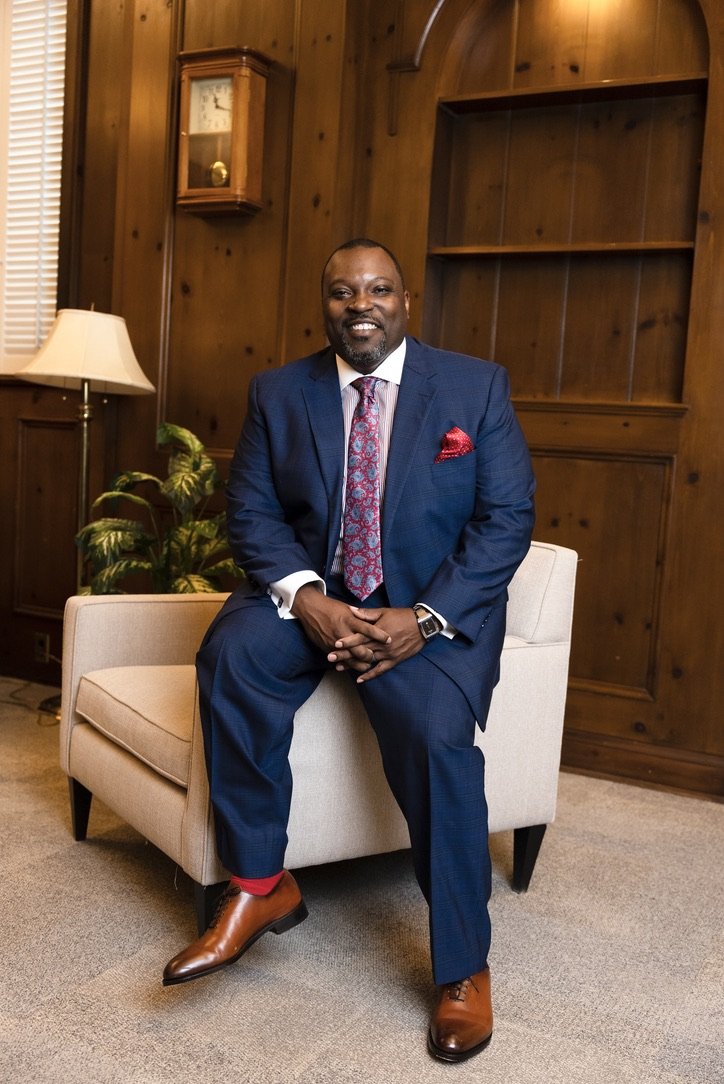
Justin Butler
Risk and governance
Former chief risk officer of Bremer Bank, a $17 billion institution. Founder of Belvedere Risk Management.

Monica Silva Gutiérrez
People and organization
People strategy leader at Google and chief of staff at Meta. Arden Clark principal.

Jenné Myers
Relationships and ecosystem
Twenty-five years across Chicago’s social impact, public service, and corporate sectors, eight in city government. Founder of The Golden Connect.

Karina Marquez
Operations
Chief of Staff at Arden Clark. Builds teams and operating systems that turn plans into action.

Mark Beaver
Valuation and exit
Licensed business broker with Sunbelt Business Advisors and True North M&A. Values and sells companies from $1 million to $70 million.
We start up to three practices a quarter, so this team’s attention isn’t spread thin.
We pick founders carefully, and we add them slowly. Every founder owns part of the same company you do. Once you’re in, you help pick who’s next.
Maybe at first, and you’ll know before you commit. Before you sign your Charter, your Blueprint shows your income with CoHeld at today’s revenue, and the growth it takes to come out ahead. At 12 months, we review it together. If you’re behind plan, you get a written plan with actions, owners, and dates, or you can leave under the freedom guarantee. We don’t promise income. We promise you’ll see the numbers first. Read how the guarantees work.
Your brand, your clients, your offers and pricing, and your IP and methods. New work runs on CoHeld paper with shared risk standards. You can take your practice with you under the exit terms in your Charter.
No. You win your own work, and CoHeld isn’t a lead-gen program. What you get is founders who passed the same test you did, a bench for bigger work, and a way to pitch it together. Referrals and shared work are a bonus, never a promise.
No. Most founders want the opposite. Bring your team if you have one, keep select contractors, or stay a practice of one. The limit is risk and compliance, not headcount.
Each year for 20 years, five points of whole-company ownership are allocated to founders, based on the earnings each one leaves in the company. You’re eligible one year after go-live, and what you earn is protected from dilution while you hold it. These working terms grant no shares and promise no equity value or liquidity. Counsel is finishing the details, and we won’t ask you to sign on a promise the documents can’t keep.
Three things, and we’d rather name them. We’re new, so we have to earn trust before we have a track record; that’s why the guarantees and the three-a-quarter cap exist. The structure needs counsel to finish the equity, tax, and vesting details. And fit: in a company people co-own, one wrong partner affects everyone.
Up to three founding seats open each quarter, and only when the founders already here are getting what we promised. Founding terms close after the first eight founders sign. The next go-live is July 1, 2027. Your Charter locks your rate, your window, and your terms before you sign anything.
It’s a short form. No obligation.
Become more yourself. Build more together.
Why we built CoHeld, and who you’d be building with.
Dear founder,
Independent consulting has a strange deal built into it. You get freedom, and you also get every job nobody wants: payroll, bookkeeping, insurance, invoicing, and chasing contracts, all on top of the client work. Year after year you build something real, but it’s hard to sell, it’s lonely, and it disappears when you stop.
I know that deal from the inside. I’ve spent more than a decade starting, scaling, and exiting consulting companies. Each time, the pattern was the same: strong demand, great clients, solid fees, and a business that still lived and died on one person’s shoulders. Every time I tried to build a firm, I got more overhead, more people to manage, and more personal risk.
Along the way I watched hundreds of independent consultants cross half a million dollars a year, and their stories rhymed. Serious clients, strong margins, 15 to 25 years of experience. Winning on paper. Underneath, they were exposed to a few clients and to their own health, buried in admin, locked out of real benefits, and building a very well-paid job with little they could ever sell.
I tried every fix. Better software. More process. Masterminds. Boutique firms. Partnerships that were light on equity. The work got better and the income got better. The structure never changed.
That was the insight. Experienced independents don’t need another tool or another mastermind. They need a different structure: one company, one back office, one operating system, and one ownership plan, with many independent practices inside it. You keep your brand, your clients, your pricing, and your methods. We run the company behind you. The earnings you leave in the company earn you a share of the whole. And if you ever leave, you take your practice with you.
The founders I talk to say some version of the same thing. They want their work to keep adding up, without their lives getting smaller. That’s what we’re building for.
We’re new, so I won’t ask you to take this on faith. Look at who’s doing the work, read the guarantees, and read the questions, including what could go wrong. If you’ve built something real and you’re ready to stop building it alone, apply, and let’s talk about fit.
Troy GroenkeFounder, CoHeld
Experienced independents shouldn’t have to choose between freedom and building something that lasts.
One company, many practices. Each keeps its own name, its own books, and its own reserve. All of them share the systems, the people, and the upside.
We run the company behind your practice, and we build something we all own a share of.
We start up to three practices a quarter, so this team’s attention isn’t spread thin.
Troy Groenke
Founder · Finance and structure
Founder and CEO of Arden Clark, a national strategy and implementation firm. Has started three companies, built two seven-figure consultancies, and been through an exit. Consulting since 2013. University of Chicago Booth MBA.
A company designed by someone who has lived the problem.
Justin Butler
Risk and governance
Former chief risk officer of Bremer Bank, a $17 billion institution, with senior risk roles at Wells Fargo, GE Capital, and Bank of America. Founder of Belvedere Risk Management, which provides chief risk officer services to families, family offices, and growing companies. Northwestern Kellogg MBA. A board leader for several nonprofits.
Promises that are funded, and risk that stays where it belongs.
Monica Silva Gutiérrez
People and organization
Former People Strategy Director at Google and chief of staff at Meta. Arden Clark principal for people and organization. Stanford Executive LEAD certificate.
A company that grows its people, not only its profits.
Jenné Myers
Relationships and ecosystem
Twenty-five years across Chicago’s social impact, public service, and corporate sectors, including eight in city government and twelve as a chief executive. Founder of The Golden Connect, a boutique consulting firm for leaders and organizations.
Doors that open, and a network that knows your name.
Karina Marquez
Operations
Chief of Staff at Arden Clark. Builds teams and operating systems that turn plans into action.
A move that happens when we said it would.
Mark Beaver
Valuation and exit
Licensed business broker with 16 years across business brokerage, consulting, and real estate. Works with Sunbelt Business Advisors and True North M&A on valuations, exit planning, and sales of companies from $1 million to $70 million. A business owner himself.
A step back you plan, not one that’s forced on you.
About the deal, the money, the people, and what could go wrong, organized by the six questions every founder is really asking. If yours isn’t here, bring it to your fit call. Anything that affects risk, money, or control gets answered in writing before you sign.
Money, pay, and benefits
CoHeld receives 15% of the revenue your Division collects. Founding members, the first eight founders to sign, keep 15% for life, meaning for as long as they remain members in good standing. We expect to raise the standard rate for new members once the first cohorts are live; the founding rate never goes up.
If CoHeld’s rate for newly joining owners with the same service scope ever falls below 15%, you pay the lower rate. The lock is personal to you and your Division: it doesn’t transfer to a successor or buyer, and it ends if you leave.
There’s a one-time setup fee of $25,000, paid in two halves: $12,500 when you sign your letter of intent, and $12,500 when you sign your Charter. The first $12,500 is held as a deposit and refunded if the full Charter is not signed. It’s credited 100% against future fees when you complete an on-time move. At $1,000,000 collected a year, the fee is $150,000, and your 15% stays locked. It’s a rate lock, not a discount on today’s rate.
Maybe at first, and you’ll know before you commit. Before you sign your Charter, your Blueprint shows your income with CoHeld at today’s revenue, and the growth it takes to come out ahead, so you decide with real numbers.
At 12 months, we review it together. If you’re behind plan, you get a written plan with actions, owners, and dates, or you can leave under the freedom guarantee. And any month we miss a service promise along the way, that month’s fee drops by a third. We don’t promise income. We promise you’ll see the numbers first. Read how the guarantees work.
Your choice. On W-2, you’re paid through payroll with withholding, with health benefits and a 401(k). If you’d rather stay 1099, you can. Either way, your Division’s 85% covers its costs, your pay, taxes, and its reserve, and your Blueprint shows the numbers both ways before you decide. On W-2, the working default is a steady base salary plus variable pay from cleared surplus after each monthly close.
Your monthly statement shows collections, costs, fees, pay, taxes, and reserve, so you always know where the money went.
On W-2, you choose your own health plan through an individual-coverage arrangement funded from your Division, and you get a 401(k). We run the administration. Because each person picks their own plan, no one’s health costs are pooled with anyone else’s.
Your Blueprint shows the before-and-after for your household, including premiums and payroll taxes, before you decide to move. If you stay 1099, it maps your benefits, too.
A cash cushion inside your Division, built from your own collections, so a slow month never turns into a crisis. It’s your Division’s money, it shows on your statement, and your Charter says how it’s released if you leave.
Control and freedom
Your practice name and brand, your positioning, offers, and pricing, your client selection and delivery approach, and your IP and methods. Those are reserved to you in your Charter.
What becomes shared: the legal entity (you operate as a CoHeld Division), core client paperwork on CoHeld paper with room for deal-specific edits, and minimum operating, reporting, and risk standards.
No. Your name, brand, and URL stay yours, and clients keep working with you. New engagements are contracted through your CoHeld Division.
It stays open as a runoff shell to finish legacy contracts. New contracts, invoices, and payroll run through your Division after the move. Over time, as old work winds down or is re-papered, your practice’s center of gravity shifts into CoHeld. It’s orderly, not an overnight flip.
Yes. You can take your practice with you, including client relationships, transferable contracts, data, brand, URL, and pre-existing IP, subject to client choice and the agreed handover. Your vested CoHeld shares are separate, with no automatic forfeiture. Leaving never forces a sale.
No. Your Charter sets the notice period and the handover, so a departure is orderly for you, your clients, and the founders around you.
The people
Founder Troy Groenke, with Justin Butler, Monica Silva Gutiérrez, Jenné Myers, Karina Marquez, and Mark Beaver. Between them: a chief risk officer’s seat at a $17 billion bank, people leadership at Google and Meta, eight years in city government, and firms they founded themselves. Meet the team.
Founders who passed the same test you will: $500k to $2.5M in revenue, 15+ years of experience, 3+ years on their own, and clients they won themselves. We open up to three founding seats a quarter. Who has signed so far comes up in your fit review.
Slowly, and on purpose. Every founder owns part of the same company, so one bad fit costs everyone. We look at your numbers, then at fit: what you add that the founders already here don’t have. Two founders doing the same work is a bench. Four is a crowd.
CoHeld decides. Once the first four Divisions are live, the founders already in meet every finalist first. So once you’re in, you help pick who’s next. A referral gets you a conversation, not a shortcut.
Yes, and we hope you will. Tell us who. They go through the same steps you did.
Some, since every Division sits inside one company. Your Division keeps its own books and its own reserve, your fee rises and falls with what you collect, and we’ll put how Divisions are protected from each other in writing before you sign.
No. CoHeld isn’t a lead-gen program. You keep winning your own work under your own brand. What we add: founders who passed the same test you did, a bench for bigger work, shared pricing data, and a way to pitch bigger work together. Referrals and shared work are a bonus, not the deal.
Yes. Key people can join your Division as W-2 employees where it makes sense, and select subcontractors can stay 1099s with contracts run through CoHeld. We map it in your Blueprint. The default is to keep what’s working and standardize how it plugs in.
Growth
No. Most founders want the opposite. Bring your team if you have one, keep select contractors, or stay a practice of one. The limit is risk and compliance, not headcount.
A monthly working session with the founders in your window and the ones before you: pipeline, pricing, delivery, and the decisions you’d otherwise make alone. It starts the day you sign your letter of intent, months before you go live.
Yes. When a job needs more than one of you, you pitch it together. One founder leads, keeps the client, and is responsible for the work. The proposal goes out under that founder’s name, with the team behind it, on CoHeld paper.
Who does what, and who gets paid what, is written down before the proposal goes out. CoHeld helps set it up and checks the risk. It doesn’t sell the work for you.
A handful of deep-work sessions for the Blueprint, regular working sessions while we move payroll, benefits, accounting, and contracts, and light coordination as your dashboard and rhythms settle. The Blueprint takes up to 60 days, and the move takes 90.
Monday morning is about clients, not admin. Your monthly scorecard shows payroll, books, and invoices done on time. A colleague brings you a project you couldn’t have landed alone.
In three to five years, the network is a real community: people refer work, share deal insights, and pick up the phone for each other.
Clients and impact
The same you, with a company behind you. New work is contracted on CoHeld paper with commercial insurance. Over time they may notice more: a bigger team when they need one, and cover when you’re away.
Your cover plan names who takes care of your clients, chosen from the bench and agreed with you ahead of time. The practice keeps going while you recover or rest.
Ownership and stepping back
The proposed plan allocates five points of whole-company ownership each year for 20 years, totaling 100% unless CoHeld is sold sooner. Each year’s points go to eligible founders in proportion to the qualifying earnings each one leaves in the company. You’re eligible one year after go-live, and what you’ve earned is protected from dilution while you hold it.
Counsel and tax advisers are finishing the structure, awards, vesting, and tax treatment. These working terms grant no shares and promise no equity value or liquidity. We won’t ask you to sign on a promise the documents can’t keep.
A roll-up usually buys your practice and folds it into its own brand. At CoHeld you keep your brand, your clients, your offers and pricing, and your IP and methods. You earn equity in the whole company from the earnings you leave in the company, and you can take your practice with you on the terms in your Charter.
You plan it with us: ramp-down planning and a valuation and sale process. CoHeld has the option to buy your practice, by matching a genuine outside offer or through an agreed fair-market-value process. If CoHeld passes, you can sell elsewhere with our cooperation. Your vested shares are separate from the practice.
Three things, and we’d rather name them than pretend they aren’t there.
Earning trust before we have a track record. We’re asking founders to move their practice onto our platform, and our first planned start is July 1, 2027. So if we miss our go-live or monthly service promises, your fee drops by a third, and we cap starts at three a quarter. Those are guardrails, not marketing.
Getting the structure right. Equity, tax treatment, awards, and vesting still need counsel to finish. We won’t let anyone sign on a promise the documents can’t keep.
Fit. In a company people co-own, one wrong partner affects everyone. We’d rather turn away a strong practice than admit someone who doesn’t share how we work.
We’ll put this in writing before you sign: what happens to your practice, your team, and your shares if CoHeld can’t carry on.
You pay less. If payroll, benefits, insurance, bookkeeping, invoicing, and reporting aren’t all running through CoHeld within 90 days of your agreed move date, your fee drops by a third until they are. Any month we miss a service promise, that month’s fee drops by a third, automatically. We track every promise in our own systems and show you the scorecard each month.
You can leave. If we miss three months in a year, you don’t have to wait out your first year to use the freedom guarantee: we handle the move out at our cost and refund any setup credit you haven’t used. Read the full guarantee terms.
Dates and next steps
We start up to three practices a quarter. The next planned go-live is July 1, 2027. Founding terms, including the lifetime 15% rate lock, close after the first eight founders sign. Your Charter records your window, your signing deadline, and your terms. Dates and terms may change for new applicants.
The application asks about your revenue range, gross margin, experience, and client mix. Please don’t include confidential information.
A summary of the founding seat. Your Charter governs, and every open choice in it is completed before you sign.
Standard rate: 15% of Division Revenue. We expect to raise it for new members once the first cohorts are live.
Founding members, the first eight founders to sign, pay 15% for as long as they remain members in good standing, and never more. If CoHeld’s then-current rate for newly joining owners with the same service scope falls below 15%, founding members pay the lower rate, checked each anniversary.
The lock is personal to you and your Division. It doesn’t transfer to a successor or buyer, and it ends if you leave. Founding terms close after the first eight founders sign.
Division Revenue means all gross revenue collected under CoHeld for your Division, before costs or taxes. Delivery costs and other expenses don’t reduce it. Guarantee credits still apply.
$25,000 one-time setup fee, paid in two halves: $12,500 when you sign your letter of intent, and $12,500 when you sign your Charter. The first $12,500 is held as a deposit and refunded if the full Charter is not signed. The setup fee pays for your Blueprint and setup work.
Finish the agreed steps for an on-time move and the full fee comes back as credit against future CoHeld fees: equal monthly credits over 24 months from go-live, applied after each month’s fee and any guarantee credit, and never below zero. Unused credit carries forward while you’re on the platform.
The setup credit is applied against future fees; if you leave under the freedom guarantee, we refund the credit you haven’t used. Separately, the first $12,500 deposit is refunded if the full Charter is not signed. Miss the agreed migration deadline without a written extension and the fee still pays for the Blueprint and setup work, with no credit. Delays CoHeld causes never cancel your credit.
At additional cost: personal and legacy-entity tax returns, and specialized legal review.
Founders join through a fit review. Up to three start each quarter, and only when the Divisions already live are getting the service we promised. Every founder passes the same test, and CoHeld looks at fit with the founders already in.
Bench work, cover, referrals, and shared pitches follow the written Partner Network policy. One founder keeps each client. Splits are agreed in writing before work starts, and CoHeld’s fee applies once to each dollar collected. Work and referral income are not guaranteed.
Founders don’t go after clients or people they met through another founder’s Division without that founder’s okay. There is no non-compete. You can always take your own practice with you.
Go-live. Payroll, benefits, insurance, bookkeeping, invoicing, and reporting all run through CoHeld within 90 days of your agreed move date. If they don’t, your fee drops by a third, from 15% to 10%, until all six are live.
Monthly service. Payroll on time and correct. Books closed by the 10th business day, with your receipts in by the 5th. Invoices out within two business days of your okay. Replies within one business day. Nothing on our list lands back on your desk. Any month we miss, that month’s fee drops by a third, automatically.
Freedom. Your clients, brand, URL, and pre-existing IP are always yours, and you can always take your practice with you. After your first year, if CoHeld isn’t working for you, we handle the move out at our cost and refund the setup credit you haven’t used, in cash. If we miss three months in a year, you don’t have to wait the year. If you ever sell, CoHeld can match a real outside offer, and if we pass, you’re free to sell elsewhere.
How they work. We keep score from our own systems and show you a scorecard every month, so you never have to ask. Your Blueprint lists what we do and what stays with you, like approvals and signatures. Delays on your side don’t count, such as a missing approval or receipts after the 5th. Credits come off your next payment and don’t stack, so a third off is the most in any month. If we disagree, an outside reviewer named in your Charter decides.
What comes back to you. Credits lower future fees. We refund your unused setup credit when you leave under the freedom guarantee. Separately, the first $12,500 deposit is refunded if the full Charter is not signed. We don’t promise income.
Your income, up front. Before you sign your Charter, your Blueprint shows your income with CoHeld at today’s revenue, and what it takes to come out ahead. At 12 months, we review it together. If you’re behind plan, you get a written plan with actions, owners, and dates, or you can leave under the freedom guarantee.
Blueprint: up to 60 days from its agreed kickoff, ending in your go or no-go decision. Move: 90 days from the agreed migration start.
Windows: quarterly, with up to three starts each. Next go-live: July 1, 2027. Founding cohort, 2027: letters of intent signed and the first setup payment made by January 29, Blueprints in February and March, Charters signed and the second payment made by March 31, the transition window from April to June, and fully operational July 1. Dates subject to change.
The proposed plan allocates five points of whole-company ownership each year for 20 years, totaling 100% unless CoHeld is sold sooner, based on the qualifying earnings each founder leaves in the company. Eligibility begins one year after go-live. Earned percentages are protected from dilution while held.
Counsel and tax advisers must complete the structure, awards, vesting, and tax treatment. These working terms grant no shares and promise no equity value or liquidity.
You can take your practice with you: client relationships, transferable contracts, data, brand, URL, and pre-existing IP, subject to client choice, consents, and an agreed handover. There’s no minimum term; your Charter sets notice and handover.
CoHeld has an option, not an obligation, to buy: by matching a genuine outside offer, or through an agreed fair-market-value process. If CoHeld declines, you can sell on the open market with our cooperation. Vested shares are separate, with no automatic forfeiture or cash buyout. A tax-free transfer out of a C-corporation can’t be assumed.
Two more doors are planned on the same operating system: Build, for independent practices on their way to $500k, and Launch, for senior executive leaders starting a practice. Each runs in its own risk pool with its own books and reserve, and founding-seat fees never backstop either one. Terms will be published when they’re set.
Up to three seats open each quarter, and founding terms close after the first eight founders sign. Start with a 30-second fit check, then a short application. No obligation.
The application asks about your revenue range, gross margin, experience, and client mix. Please don’t include confidential information.